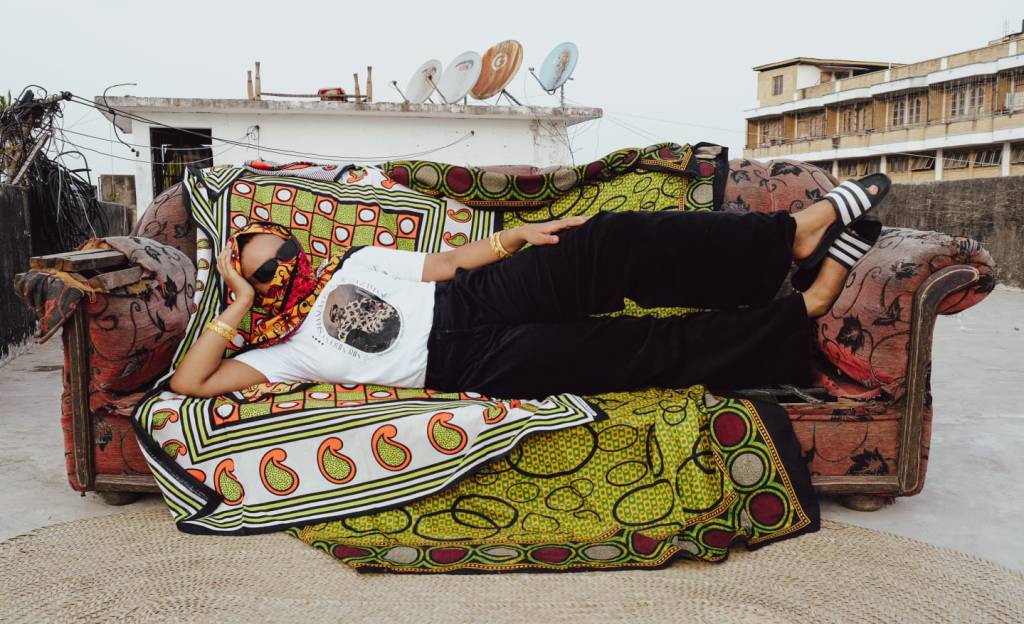
Last month, musician, producer and DJ Blinky Bill tweeted “You go to Joburg, Lagos, Accra it’s very rare to hear Kenyan music and it’s a big disservice to the artists doing the work here to not be at the forefront pushing the sounds.”
This is not the first time that I had come across this sentiment and it is something that has stumped me for a long time, which I also commented and the conversation that began was multilayered but one of exasperation.
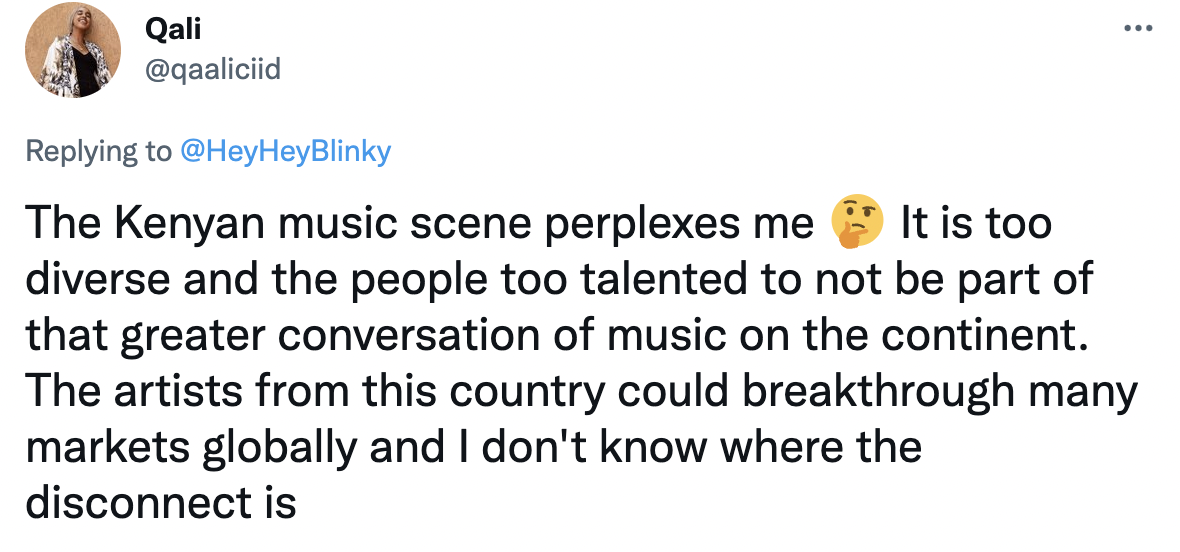
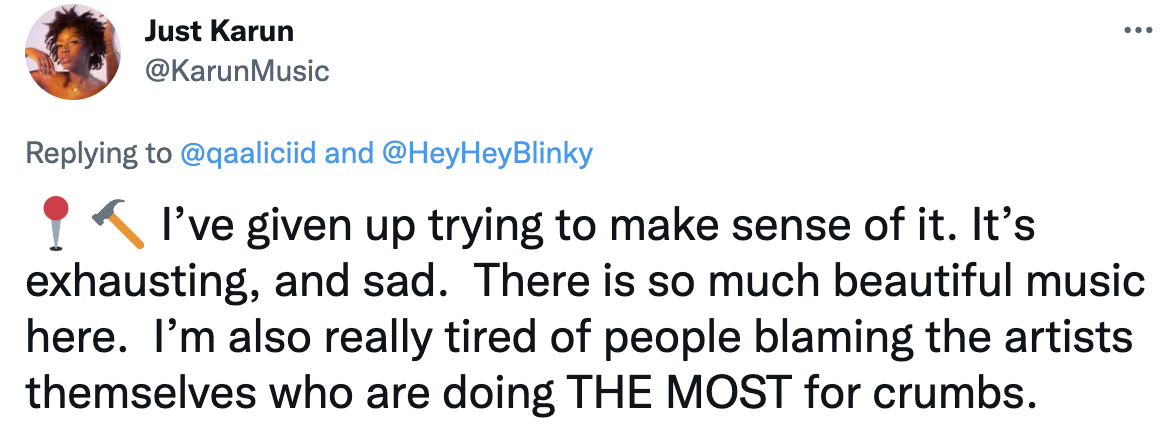
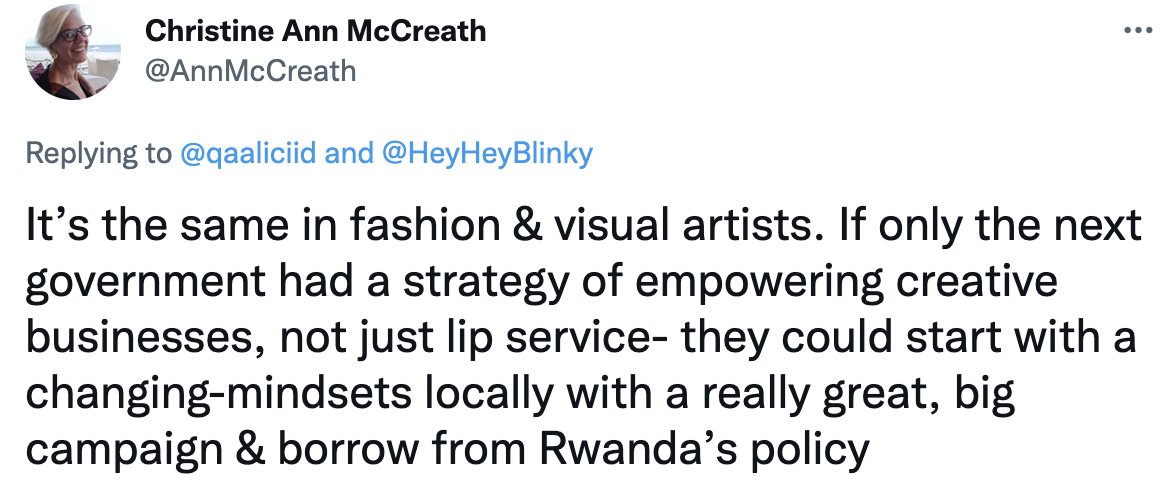
I spent most of this month thinking about how under-appreciated creatives feel, the lack of policies to build a foundation for cultural and creative industries and how we lose so much as a society if we are starved off these skills and knowledge. It is a huge loss for Africa for the power of creative and cultural talents to not be nurtured, supported and harnessed.
The Bridge Builders
Around 2002, I moved to Malawi with my family, at a time where a famine was underway, there was extreme poverty and there was a high incidence of death as a result of HIV/AIDS, which also led to many children being left with no parents and family. As a child I could only really grasp that many people were suffering and didn’t have much but I couldn’t truly understand why an elected government would let people suffer, let children grow up without parents, and let a nation go hungry. Although 20 years later I don’t think we’re closer to solving these issues globally I also recognise how simplistic I was as children normally are. However, one thing that stuck with me is that people loved their culture, that no matter where in Africa I was music, art and humanity brought people together. There was common purpose in our existence and this has inspired people to call for change and tirelessly fight for it for generations.
Creativity and culture are able to bypass geography, ethnicity, religion, language and mobilise people behind a vision and the late US Representative and Civil Rights leader John Lewis said it the best “Without the arts, without music, without dance, without drama, without photography, the civil rights movement would have been like a bird without wings.” The importance of creative and cultural industries in the development of Africa cannot be emphasized enough.
The Potential
Africa has the youngest population in the world – with 70% under the age of 30 and by 2035 Africa will have more working age people than the rest of the world combined. This is a huge potential for growth and development but only if young people are educated, empowered, provided with the opportunities and skills to realise their full potentials. The creative and cultural industries not only have the potential to transform African economies and address youth and women unemployment, but also safeguard cultural heritage for future generations and help us reimagine a prosperous future.
Our creativity and culture are some of our leading exports. When we look at the continent we are not short of creative talents – Kenyan film director and producer Wanuri Kahiu recently directed the Netflix film ‘Look Both Ways’ and her movie ‘RAFIKI’ was the first Kenyan feature film to be invited to the Cannes Film Festival, Nigerian musician and producer Tems became the first African female artist to earn a number 1 spot on the Billboard Hot 100, and South African luxury designer Thebe Magugu released a collection with adidas celebrating community, heritage and identity and these achievements don’t even scratch the surface of what is happening across the continent.
The creative economy industries generate annual revenues of over $2 trillion and account for nearly 50 million jobs worldwide according to UN estimates. It could represent 10% of global GDP before 2030. These industries are not traditionally seen as being spaces worthy of investment, and in Africa there has been a lack of investment in the arts, little public sector involvement, fragmented markets, distribution challenges and lack of IP protection. Not only does this stifle economic growth but it also affects democratic growth as culture and creativity have historically been monumental in times of political reckoning and social upheaval. Culture and creativity speaks directly to identity and belonging and these are the tools that sustain our social fabrics and drive community regeneration.
Some of the ways that governments can support young people and women in these industries are:
- Promoting human capital through training, mentorship, occupation specific skills training, and apprenticeship opportunities.
- Providing access to finance in the form of grants, microfinancing or by developing partnerships.
- Facilitating access to regional and international markets through commercial agreements, building brands and marketing products of entrepreneurs across border. The African Continental Free Trade Area (AfCFTA) agreement is a great opportunity for this.
- Building networks and community hubs to support and build resilience for self-employed individuals
State of Affairs
To release the development potential of these sectors it all starts with government commitment, integrated policies, strategies and actions that strengthen local production. The impact of globalisation and the flow of products, ideas and messages from the Global North to the South cannot be emphasised enough and governments have a duty in reversing this flow.
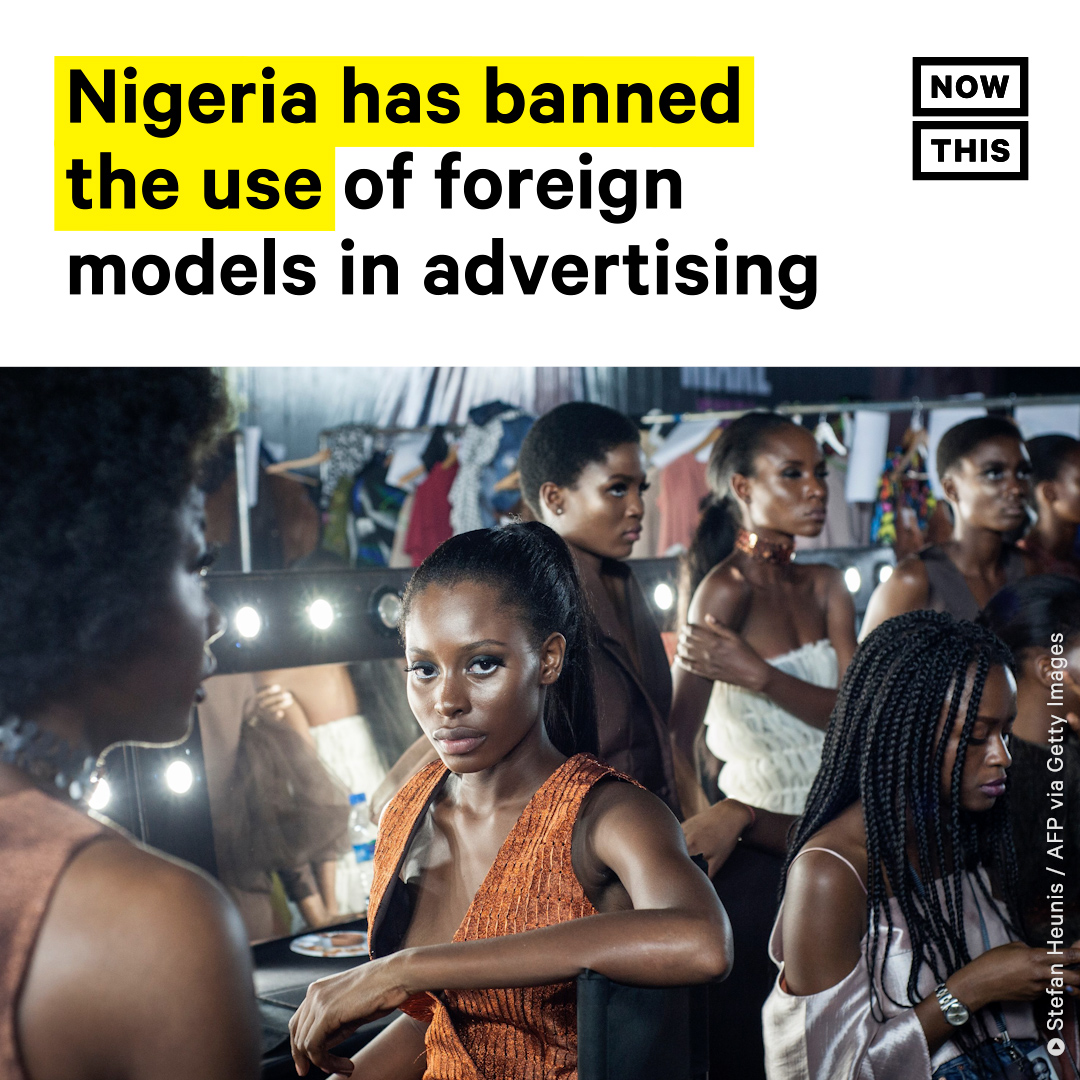
The African Union has even proposed that prior to the full establishment of the African Economic Community in 2025, leaders should still put in place legal and institutional frameworks for the development and protection of cultural and creative products and their free movement in all African countries.
There have been countries that have begun this journey and provide great opportunity for knowledge exchange and learning across the continent:
- Ethiopia Creates is a public-private partnership focused on advancing Ethiopia’s creative sector while building public awareness of the value and impact of the creative industries on Ethiopia’s economy.
- Nigeria has the Creative Industry Financing Initiative, which is a loan scheme developed in collaboration with the Central Bank of Nigeria to provide access to long-term and low-interest financing for entrepreneurs in the creative industry.
- Earlier this year the Rwandan State Minister in charge of Culture announced that they are working on a new policy to commercialise the creative industry, building on the work of the past 7 years of building institutional and policy frameworks to support culture and creative industry in the country.
- Ghana’s successful 2019 ‘Year of Return’ campaign brought visitors and the Black diaspora to the country, which is one of the ways that cultural tourism can be promoted on the continent
African countries are in the right time to focus on the cultural and creative dimensions of development. If this opportunity is not taken seriously, we risk a different kind of brain drain, where young talented people will seek out opportunities abroad and will be recruited where they are valued.



 ID theory